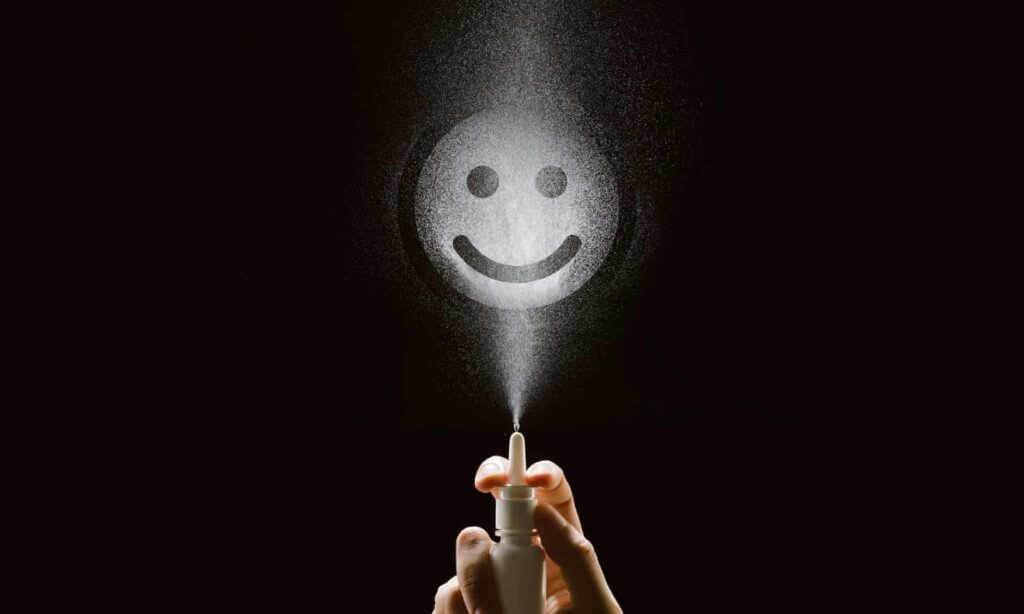
“Given that ketamine may also be used recreationally, it is notable that even in addiction treatment, no studies in our review report a transition to illicit use engendered by introduction to ketamine in a therapeutic context.”
—Dr. Zach Walsh et al. 2
Note: No drug reference herein is an endorsement of that drug. Further, ketamine is right for many patients; it may not be right for you. Your experience will vary from mine.
Overview
The following information is taken from a peer-reviewed, published, reputable report on ketamine for mental and substance use disorders, interspersed with obviously differentiated personal opinions and occasional anecdotes.
Ketamine clinics are popping up like mushrooms all over the country. And now KAP—Ketamine Assisted Psychotherapy—is squarely on the scene.3 KAP is (typically) a tele-health appointment during which a patient swallows oral ketamine and the psychotherapy focuses on inward experiences.
Ketamine in mental health circles is most commonly thought of as an antidepressant—indeed the only FDA-approved use in mental health is esketamine, or “Spravato,” to treat major depressive disorder (MDD) and treatment-resistant depression (TRD).
As studies show, however, ketamine seems to have mechanisms for helping suicidal ideation and PTSD separate from its antidepressant effects. And ketamine’s effects might help many mental health sufferers with a wide variety of diagnoses.
The sooner we can proceed with the only major breakthrough in antidepressant medicine in 30 years, the sooner we can work on equitably assisting those with TRD, MDD, and everyone else. And we needed to have initiated serious research on ketamine and PTSD and suicidal ideation yesterday. Unless otherwise noted, the information below is distilled from a Cambridge University Press report by Walsh et al. (2021)4
Introduction
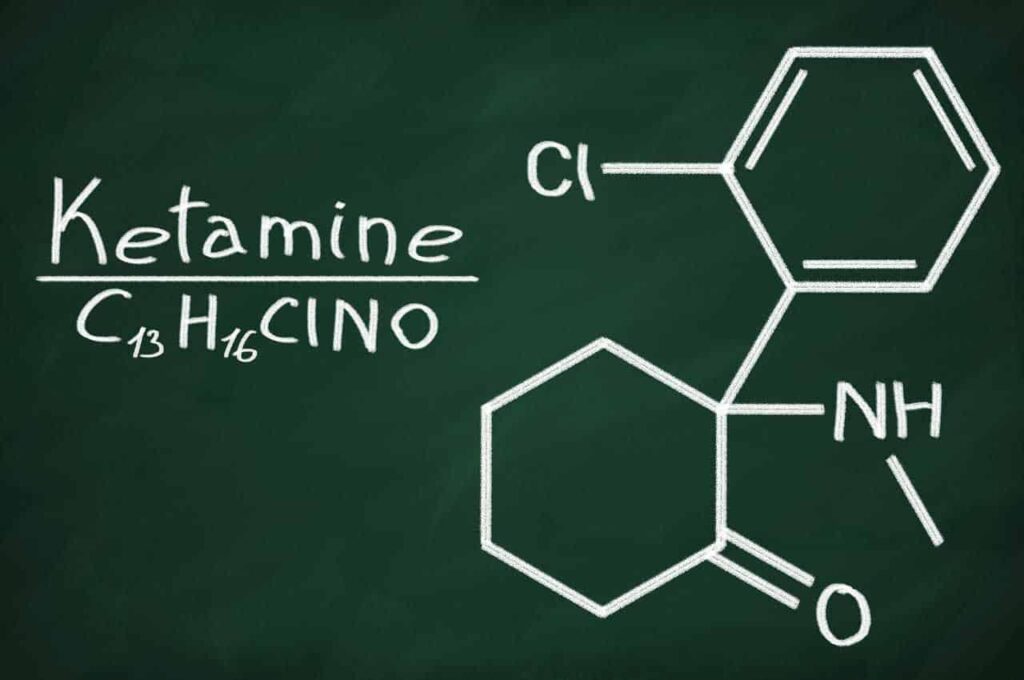
I personally take ketamine— (well, esketamine, which is what you get when you split ketamine into its two stereoisomers, the ‘s’-isomer and ‘r’-isomer. The esketamine branded ‘Spravato’ uses an intranasal application of the ‘s’-isomer. (Get it: es-ketamine? If all that sounded like the drone of AP Chemistry, just ignore me and we’ll move on!)
Spravato was recently FDA-approved in the United States for treatment-resistant depression (TRD) and depressive symptoms of major depressive disorder (MDD). It is not available for off-label treatment. You might recall from earlier posts that my diagnosis is bipolar disorder. I have had treatment-resistant bipolar depression for more than a decade, however, and was down to ECT or ketamine for relief.
ECT has an unquestionable success rate—up to 80% of patients end up in remission. However, it has negative cognitive effects during the period of therapy. I am in graduate school and already dealing with PTSD-induced brain fog; I can’t afford a seizure or two right now.
However, I once had a surgery with an anesthesiologist who spent much of his time researching anesthesia medications for mental illness treatment. I got some ketamine in my general anaesthesia cocktail, and it was the best recovery of my life in some ways. I was in terrible pain; (I’d just had a giant screw inserted into my hip). Yet for a full week I experienced calm, tranquility, a balance of mood like I’d never experienced before.
And I’ve been chasing that experience since. Ketamine is proving to be one of the hottest drugs for TRD/MDD around these days. It can be administered many different ways, and in the report I’m about to synthesize, the analyses that were reviewed include different routes of administration, as well as a varying number of doses, and a number of other discrepancies. So the report is not without flaws (as it states). However, it is the most comprehensive I’ve seen to date.
Commonalities
Before diving into the details of how ketamine can assist in various disorders, it’s worth looking at the commonalities across all the illnesses ketamine has recently been used to treat. It’s important to note that the use of ketamine for therapeutic purposes does not engender recreational use, either taken alongside therapeutic ketamine or after it.
There is simply no evidence that if you take ketamine for a mental illness you might end up seeking it for illicit purposes. In fact, it has been successfully used to treat alcohol use disorder and other substance use disorders.
In many cases, relief of symptoms has a rapid onset after ketamine administration, but its effects were transient. Exceptions include suicidality, for which a single dose reduced suicidality significantly without recurrence, and PTSD among military veterans. It is suggested that ketamine may have some specific anti-suicidal effects separate from its antidepressant effects. For most conditions, ketamine’s effects last for 1-2 weeks.
Ketamine is the first new major type of antidepressant in three decades. 30% of those treated for MDD are treatment-resistant. There is a new promise of hope with psychedelic-assisted therapies, like psilocybin-assisted psychotherapy and MDMA-assisted psychotherapy. Ketamine is not actually a psychedelic, but many people—including medical professionals—lump ketamine into the ‘psychedelic’ bin for convenience as it has psychoactive properties.
Ketamine may not be FDA-approved for treating depression (with the exception of its relative, esketamine), but it is not an illicit substance, and regular ketamine can be easily prescribed off-label. Infusions are expensive: expect to pay $250 to $800 for each one. You’ll need multiple sessions before monthly upkeep. Oral and sublingual ketamine is cheaper—likely around $50 cash for a prescription. There is some evidence that sublingual ketamine administration can lengthen times between infusions.
A single, intramuscular injection will cost $45-$75 just for the medication. Ketamine nasal sprays have been around a long time, but Spravato is now the big player in that scene, of course. By nasal route is the least efficient method of dosing ketamine due to fluctuations between each individual spray and differences in intranasal absorption rates.
The biggest down-side to ketamine overall is it is, despite decades of research, relatively new on the psychiatric scene. There are no longitudinal studies (studies covering long periods of time) showing ketamine’s efficacy or safety in mental health patients long-term.
Major Depression
The biology of depression is still mostly a mystery; the most common theory is that it’s caused by low levels of neurotransmitters like serotonin and norepinephrine, which are associated with feelings of happiness and well-being. But recent research suggests that these neurotransmitters may not be the lone culprit.
This means antidepressants, which work to increase serotonin or norepinephrine levels, may not be a one-size-fits-all treatment. One of the most contemporary theories is that depression creates inflammation in the brain, or that inflammation in the brain creates depression.5
Four or five years ago I was invited to trial an experimental infusion anti-inflammatory treatment for my BP TRD. Unfortunately, I was fighting multiple spinal CSF leaks at the time—I was very sick. And my neurosurgeon didn’t want me to enroll in the study because doing so would preclude me from taking anti-inflammatories he might prescribe. When I talked to my psychiatrist he said that out of the A-trials, some patients felt the medication helped, and some did not. Keep your eye out for new developments there.
Now there is focus on esketamine. The drug works on the glutamatergic system, and that’s thought to create synapses in the brain. When someone has depression, they may not have as many connections or synapses within the brain cells, so those synapses go away.
Esketamine is thought to create these synapses, or connections, between our brain cells again.6 It can be extremely fast-acting, although the truth is, for many depression sufferers, months of use might be necessary before improvements are seen. Once it does work, it tends to work dramatically.
Twenty-four reviews of the antidepressant effects of ketamine for unipolar depression and major depressive disorder (MDD) were used for the report being presented. (That’s 24 studies, not 24 individuals.) All the articles reviewed noted that ketamine had a rapid onset, particularly for those with MDD.
Studies that focused on a single intravenous dose (also called an “infusion”) reported reduced severity of their depression compared to a placebo, with the effects starting between 1 and 24 hours from the infusion, and typically lasting 1-2 weeks. Repeated doses (up to six) were found to produce a stronger antidepressant effect after two weeks than the single dose. Intranasal ketamine was found to be comparable to intravenous ketamine. Although the dose of ketamine is higher in an infusion: those who got no relief with Spravato might still try infusions and get a good response.
Oral ketamine—like that used in KAP (ketamine-assisted psychotherapy)—was a little bit different: it’s well-tolerated and has significant antidepressant effects, but those effects were generally not felt before 2-6 weeks. One large study suggested that effects for ketamine infusions peaked at 2-6 days, compared to 24 hours for intranasal use, and 7-20 days for oral administration.
At least one study showed that psychotherapy could extend the antidepressant effects of ketamine. Another indicated that dissociation might correlate to efficacy. Sublingual (under the tongue) ketamine has shown promise in extending the length in between infusions.
There is a lot of reason to remain hopeful about ketamine’s use in treating depression. Spravato is the first FDA-approved ketamine drug that is approved for TRD, and the depressive symptoms of major depressive disorder (MDD). And it’s an expensive one. Infusions are also expensive and cost cash regardless of insurance coverage. No psychiatrist is going to prescribe a bottle of oral ketamine, so self-treatment is out of the question.
It becomes clear quickly that the line dividing those who take ketamine from those who don’t isn’t illness severity; it’s personal wealth. Perhaps oral ketamine should not be vilified as a potential party drug, but investigated more thoroughly for its possible therapeutic effects, while the FDA approves IV ketamine so poorer people can have access, and those straining to afford it can be covered by health insurance. It’s unpatentable unless a drug company adds something to it, so let’s hope they do that. Perhaps they can add an anti-inflammatory….
Bipolar Disorder
Studies on patients with bipolar disorder have generally involved ketamine as an adjunct to other treatments for people who are treatment-resistant, including mood stabilizers or electro-convulsive therapy (ECT). The report includes 17 studies of the antidepressant effects on bipolar disorder. Only three focused exclusively on bipolar disorder.
Results were similar to unipolar depression: ketamine offered rapid and short-lived antidepressant effects. Some studies showed effects lasting only three days, and others reported it beating the placebo at seven days.
Effects did not appear at 14 days, suggesting a dose does not last that long. However, “In sum, extant findings do not support a consistent difference in ketamine effects on depressive episodes in MDD vs. bipolar disorder.”
The big concern psychiatrists have is that ketamine will induce mania in bipolar patients. There have been reports of manic behavior during administration, but it tends to resolve in an hour or two. In a meta-analysis, it was revealed that treatment-emergent mania was no more common with ketamine than placebo. “Likewise, evidence from case studies, open-label trials and retrospective chart analyses suggest that non-intravenously (i.e. intramuscular, intranasal and oral administered ketamine) is effective and safe for adults with bipolar disorder.”
Treatment-resistant bipolar depression can be no less debilitating and deleterious as unipolar TRD, yet all too often bipolar patients are shut out of trials and treatments on the claim that they could cause mania or psychosis. In the extant literature about side effects of bipolar patients’ ketamine use, the only mania that emerged was not more frequently seen than with a placebo. Furthermore, effects were transient, lasting an hour or two after administration.
Researchers estimate that between 25% and 60% of individuals with bipolar disorder will attempt suicide at least once in their lives, and between 4% and 19% will die by suicide (not necessarily in a depressive state). There is a clear need to open up restrictions on treating this medical population with ketamine. If my experience with anesthesia taught me anything it was ketamine—at a high enough dose—could bring balance and therefore relief.
Suicidal Ideation
There is limited information about ketamine administered via intramuscular, intranasal, and oral route used in suicidal ideation. In one study of esketamine, no study participant was able to self-administer the full dose of medication. (Perhaps this was due to adverse effects such as disassociation, or because the dispensers are a little janky and take time to master.)
Studies did show a moderate-to-large decrease in suicidal ideation after infusion, however. Those who did show remission of suicidal thoughts tended to do so within 24 hours of treatment, and approximately 85% were still in remission after a week. One review said that patients who had been admitted to the hospital for a suicide attempt or for chronic and severe suicidal ideation reported passing improvements in their condition.
This high suicide risk population has not been included in many studies of ketamine, and it seems that with a seven-day 85% remittance rate, more studies are clearly warranted. Even if treatment works for a short amount of time, that might be enough to help someone in the grips of acute, active suicidal ideation.
Suicide is a leading cause of death. In 2019 there was the equivalent of one suicide every 11 minutes. Any ketamine treatment for this extremely vulnerable population should be investigated post haste.
It should be noted that Spravato is not associated with treatment-emergent suicide. From Janssen’s clinical trials website there is the following information:
Across all phase 2 and phase 3 studies for TRD, suicidal ideation, assessed by C-SSRS [Columbia-Suicide Severity Rating Scale], showed a decrease from baseline to endpoint in the SPRAVATO treatment groups. There was no evidence of association between SPRAVATO and increased risk of treatment-emergent suicidal ideation and behaviour…. Overall, across phase 2 and 3 suicidality-related adverse events were uncommon, and most of the reported cases were those of suicidal ideation. Clinical review of suicidality-related treatment-emergent adverse events (TEAE) indicated that most of these events were likely associated with the underlying disease in the patient population studied.7
Social Anxiety Disorder and Generalized Anxiety Disorder
Six ketamine studies were evaluated for social anxiety disorder and/or general anxiety disorder (GAD). Patients receiving multiple doses of ketamine reported a significant decrease in anxiety compared to baseline. The studies established that a higher dose of ketamine led to a greater relief of feelings of anxiety.
One study suggested that ketamine reduced fearfulness but not anxiety. In a different study, patients who responded initially to ketamine treatment remained in remission for three months as long as maintenance ketamine was administered. Symptoms often recurred within two weeks.
I will admit that three months of esketamine therapy has not reduced my symptoms of anxiety much. However, the results of these studies suggest I might be more of an aberration than the typical patient with social anxiety disorder or GAD. And if I truly ponder my status, it does seem as though fearfulness has been reduced. If ketamine does work for these populations, I urge investigation into its use so that it can be approved for treatment of these debilitating disorders.
Post-Traumatic Stress Disorder
A trial of six infusions over 12 days in 15 military veterans showed a significant decrease in Post-Traumatic Stress Disorder (PTSD) and depression 24hrs after the final infusion. Fourteen days post-treatment, 80% were in remission; Forty percent were still in remission at the end of the 56-day follow-up period. A study involving a single intravenous dose of ketamine showed a reduction in PTSD symptoms compared with the drug midazolam at 24 hours, but not at seven days.
It seems as though ketamine would be extremely beneficial in the population of military veterans. It’s hard to ignore results like these, even if they are from small samples. Clearly we need to study ketamine for PTSD—especially among the ex-military.
My several months of esketamine therapy have seen an improvement in subjective feelings of trauma, even if anxiety is not relieved. We needed to have started this investigation yesterday, given how much it could help our veterans, who seem to be a population for which ketamine works quickly and efficiently.
Oral ketamine could be an affordable route, but it is not FDA-approved. However, it can still be legally prescribed off-label. We need to get pass the stigma and accept that veterans are more than capable of managing seven-day (minimum) prescriptions of oral ketamine at a time. Just because they have PTSD and other psychiatric problems does not mean they are going to abuse drugs!
Alcohol Use Disorder
One study of aversion therapy used with ketamine found that 70% of participants remained abstinent after a year compared with 24% who received the therapy alone. A study of KAP versus conventional therapy found abstinence rates after 12 months was 66% for the psychotherapy with the ketamine versus 24% of control group. After a single intravenous infusion paired with motivational enhancement therapy, 75% of the ketamine group were abstinent after the six-months follow-up compared to 27% who took midazolam.
There is reason to believe ketamine can play a role in the detoxification process of the disorder also. Three studies on the safety and efficacy of ketamine for withdrawal concluded that ketamine was safe for use during this period.
Ketamine sounds a lot more potent in its effects than other pharmaceutical interventions to alcohol use disorder, like librium and baclofen. Given what a problem alcohol misuse is in this country—whether people are self-medicating or drinking for any of many other reasons, including concurrent mental health disorders, any medication that helps us significantly tackle this tremendous social and medical problem is worth serious investigation and consideration.

Other Substance Use Disorders
Ketamine has been shown to be safe and effective at helping patients withdraw from both cocaine and opioids. ‘Mystical,’ rather than dissociative effects appear to be useful. (This suggests that MDMA or psilocybin-assisted therapies would be useful for this population.) Cravings are significantly reduced with ketamine use. Multiple sessions might be necessary: in a study of three sessions of KAP versus one, the abstinence rate was 50% compared to 22% for the single session.
At this point, knowledge of the opioid crisis is widespread. Opioids are highly addictive: many people get prescriptions from their doctors, but wind up taking street drugs after their prescriptions run out and they can’t obtain another. People are physically dependent and psychologically addicted at that point. Heroin is much cheaper and more ubiquitous than opioids are on the black market, so that has become a drug of “choice” for many former prescription opioid users. Street Fentanyl is also commonly used as a prescription opioid substitute.
My husband’s doctor prescribed him Vicodin for well over a year for facet syndrome—a problem with his spine. It tanked his testosterone, and we were trying to have children at the time. His doctor prescribed him a gel I was to avoid like the plague until he showered it off thoroughly. It was strange to see him wear a t-shirt everywhere he went—to protect me from brushing into him.
The doctor kept pushing the pills but ultimately referred him to a wonderful endocrinologist. A soft-spoken Irishman, he explained how my husband’s hormone levels were never going to return to normal without quitting the pain pills.
And that’s when the path to sobriety started. Both my husband and I are pretty angry at his old doctor, who was one of these slick, egotistical types; he treated the local sports legends whose selfies with him are blown up and pasted all over his office. Getting my husband off opioids was grueling and miserable, even though we were both committed to it and had good insurance.
I can’t explain the agony of watching my educated, brilliant, computer expert husband, who has a good career, pursue drug-seeking behavior like “prescription shopping.” It was extremely hard to get through this struggle even going to outpatient rehab. We certainly couldn’t have done it without health coverage. Whatever your stereotypes you have about opioid-users, you might want to check them now, because my husband doesn’t fit them. Regardless, anyone who is in this boat deserves compassion, not derision.
Suggesting someone just “shake off” an addiction is like telling someone with an adder attached to their arm to just “shake it off.” Those fangs aren’t coming out so easily. If ketamine can help people in this arena, it’s definitely worth pursuing.
Eating Disorders
There is not much information about ketamine’s effects on eating disorders. One trial of a ketamine infusion for in-patients showed that nine out of 15 patients showed a significant and sustained return to regular eating behavior and an acceptance of body weight.
Even though there was only one trial, the majority of patients in it showed a remarkable response to ketamine. There are few successful treatments for eating disorders. Nine percent of the population will struggle with an eating disorder in their life.8 For those with anorexia nervosa, there is an almost 18-fold increase in mortality, including a high suicide rate.9 More studies of ketamine among those with eating disorders are needed urgently.
Personality Disorders
There is essentially no research on personality disorders and ketamine. As the authors of the Cambridge University Press report suggest, the high level of suicidality that co-occurs with borderline personality disorder alone makes ketamine a good subject of study for this population.
Postpartum Depression
There have been no published studies on ketamine used for postpartum depression. There are published accounts that ketamine causes fetal toxicity based on studies on rats. The truth is, it isn’t yet known what effects ketamine has on fetal development. Just as it isn’t yet known whether ketamine can help women with severe postpartum depression.
Mental Health in Hospice Care
Information for this section comes from a report by Irwin et al. (2013).10 Depression and anxiety is prevalent in many end-of-life situations, and traditional therapies including oral antidepressants do not work on the majority of these patients. The researchers conducted a 28-day trial of oral ketamine to determine tolerability, efficacy, and the time to potential efficacy among this population.
One hundred percent of the trial (only eight people) reported a significant reduction in depression and anxiety. A significant response in depressive symptoms occurred by day 14 for depression, and day three for anxiety. These improvements remained significant through day 28 for both depression and anxiety. Side effects were rare; the most common were diarrhea, trouble sleeping, and trouble sitting still. There is no mention of how transitory the effects were.
Up to 42% of hospice patients have symptoms of depression and up to 70% have symptoms of anxiety. Untreated psychiatric symptoms like these are associated with significant morbidity and mortality. It’s shameful that ketamine is not used more frequently in hospice care given its apparent efficacy. We have a duty to treat this population humanely. If we need more trials first, then someone needs to pick this up and run with it.
Adverse Effects
Many of the studies did not capture adverse effects. Adverse effects tend to be transient and dose-dependent. Passing dissociative feelings or experiences bordering on “psychotic” aren’t unusual, with common forms being unusual thoughts, visual hallucinations, and disordered thinking.“
Across the whole review, in two separate studies, one out of 41 and 31 patients, respectively, discontinued study participation because of dissociative or hallucinatory effects.“ These effects peak during and immediately after a treatment and resolve with two hours after the treatment is finished.
Some dysphoria is reported, as well at treatment-emergent suicidal ideation. Transient hypomania and mania are reported in bipolar patients, although treatment-emergent mania is not more common in the ketamine patients than in those taking placebo. Passing increases in anxiety are frequent, typically waning within 80-120min.
Non-psychoactive effects include nausea, vomiting, headaches, dizziness, blurred vision, dry or numb mouth, delirium, irritability, sensory changes, urination problems, vertigo, and drowsiness. All side effects were overwhelmingly reported to dissipate within 1-2 hours of the infusion. Perhaps the most common side effect is a transient increase in systolic and diastolic blood pressure.
There were no reports of ketamine abuse/misuse. Nor is there any evidence that therapeutic use of ketamine leads to non-medical ketamine use.
The Fine Print
All the studies used have been carefully screened for applicability. However, the commonalities end there: many represent high bias; some are open-label studies; some are retrospective studies. One might use a single infusion, others multiple infusions of the same dose, yet others still, multiple infusions at varied doses. Oral medication might be rapid-onset or delayed-release. Some of the studies have very few participants. Many are meta-analyses—or analyses of analyses. The mechanism of administration varied: oral, intranasal, infusion, etc. The methods of data collection and reporting also varied.
The important point here is that although there is very good reason to be encouraged about ketamine’s use in mental and substance use disorders, more research is needed. We need head-to-head trials, longitudinal trials, studies with a sufficient number of subjects, double-blind—the lot.
From the point of view of a patient with treatment resistant (bipolar) depression, the lack of long-term data and the paucity of study information are not enough to justify not trialing the medication. The only way we obtain longitudinal information is if patients like me say, “Damn the unknowns—I’m sticking with this to get that data.” I have long been the first to jump on a medication: I was one of the first on Belsomra and the very first on Vraylar at Stanford’s clinic. I hope there are many more like me willing to test the products of scientific research.
Sometimes it can be frustrating because I might have useful data, like: “Risperdal (risperidone) is causing galactorrhea,” (spontaneous nipple discharge from someone who should most definitely not be experiencing such a side effect). I was shut down when I reported it, however, and told it wasn’t that medication. Years later, the warning got added to the long list of others. Later still, it became “well known” that many new antipsychotics cause galactorrhea….
I once reported my experience taking myself off my benzodiazepines all at once and was told I had caught the flu. This was years before benzodiazepine withdrawal syndrome was added to Wikipedia. The point is, we do need more data, and there are many of us willing to obtain it. However, ketamine infusions remain inaccessible to me because of the cost. It seems results are dose-dependent in many cases, but I’m already on the “high” dose of esketamine. By all accounts the FDA rushed through Spravato to get one player on the playing field. One player is a start, but can’t finish a game alone.
Spravato (Personal Account)
I take Spravato (esketamine) for treatment-resistant bipolar depression. Because Spravato is only FDA-approved for MDD, and I meet enough criteria for that illness, my psychiatrist gave me an additional official diagnosis of MDD.
Currently, the price point for the medicine in the United States is $590 for a 56 mg dose and $885 for 84 mg. Although, Janssen (the pharmaceutical company owned by Johnson & Johnson) is offering $10 treatments, including the 84mg dose, for a maximum of $7,150. However, Spravato must be administered by a licensed health clinic, and they will likely have additional costs. My insurance covers Spravato treatment for MDD, so I am fortunately covered.
As noted above, unipolar depression and bipolar depression are not very different. I had to be on an oral antidepressant to qualify for coverage—handy that I’ve taken Wellbutrin for decades. Spravato is dispensed through a REMS program: Risk Evaluation and Mitigation Strategy.
Patients are enrolled in this registry through their healthcare provider. On my paperwork next to my CNS-depressing medications like benzodiazapines are the highlighted initials REMS: a reminder to place close attention to these medications that could have compounding effects on my central nervous system. Spravato is a Schedule III substance.
I go to a ketamine clinic just over an hour away. They offer infusions, and they also offer treatment rooms for Spravato. I arrive and am ushered into one of eight rooms and invited to sit on a comfortable reclining medical chair while they bring me pillows to make me comfy and hospital blankets to keep me warm. The dim lights against the dark green walls create a peaceful atmosphere, with all the outdoor sounds and light blocked out by thick, heavy curtains.
First, vitals are checked and noted down. I complete self-assessments in depression and anxiety, plus provide information on other medications I have taken that day. The special database tracks my crumbs of benzodiazepines, suvorexant, and modafinil.
Then the PMHNP comes into the room. The 84mg dose of Spravato arrives in its sealed box, which is promptly opened to reveal three separate plastic dispensers. (The 54mg, which I took the first session, I believe came in one, but I can’t recall.) I take one out of its packaging, tilt my head back slightly, press the plunger firmly, squirt up one nostril then sniff. Next, I occlude that nostril and plunge-and-sniff up the other one.
I’ve learned that I have to be a bit rough with the dispensers, and that they don’t seem to click consistently. I put the empty dispensers back in the box for the nurse to take away. The three doses are spaced eight minutes apart. I don’t know whether that’s to mitigate the adverse effects or to stop all the medicine from dripping down the back of your throat. The delays probably help with both. According to the nurse it’s more to let your nasal tissue have chance to absorb a dose before hitting it with more.
After dosing, I suck on a Jolly Rancher. These hard candies are perfect for getting rid of the medicine’s bitter aftertaste. Because it’s inhaled through my nose, some of it trickles down the back of my throat, and the taste is not pleasant. Some people get very nauseous from the medication, in fact, and may even vomit. The nurses have Zofran—an anti-nausea and anti-emetic medication—for those who need it.
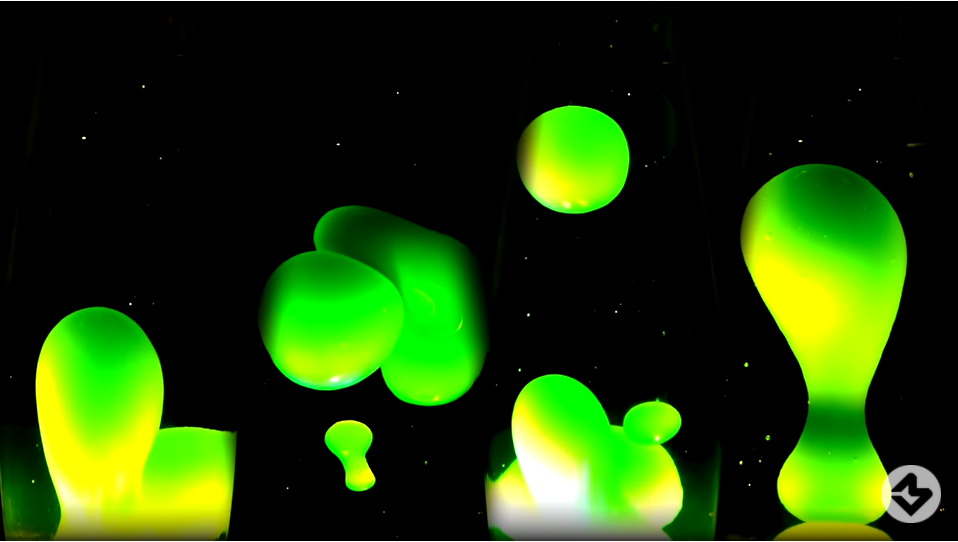
The staff lowers the lights further, and there is a flat-screen TV on the wall on which I watch mindless videos like coloured lava blobbing about, or jellyfish floating in the ocean. Often I watch fractals because I like them. I’m convinced the staff thinks I get a raging hallucinogenic experience each visit, but the truth is I really don’t. I don’t get many side effects with the medication at all, least of all psychoactive ones.
Immediately after taking the third dose I feel mildly punchy for about ten minutes then very relaxed for half an hour. I settle into my video for the next 40 minutes. Some people choose to do guided meditations. The trick is to be in a mental place of relaxation.
The clinic has everything I might need during my stay, from coffee and juice, to big, comfy noise-cancelling earphones. The latter proved handy my last visit during which a man who cries when he disassociates wailed steadily for half an hour. After 40 minutes the medical assistant checks my blood pressure and oxygen saturation. It always rises, but usually to about “normal”: 120/80, before it sinks back to its previous low state. (40 minutes is usually the peak of an increase in blood pressure under Spravato.)
Not long after I get into my television programme I’ll get a desperate urge to pee. The esketamine acts like a one-time diuretic for me. After an hour of lounging in that chair I end up needing to pee gallons—all clear liquid. Side effects don’t mention possible dehydration, but nurses tell me I’m not the only one who has this reaction.
After 90 minutes I’m stir crazy. I’m always completely compos mentis by then, but still have a half hour to fill when all I want to do is go home. (It doesn’t help that the clinic is more than an hour away from my house.) I have been known to get cranky during these final 30 minutes, risking my sensation of relaxation that I want to keep for my treatment to have optimal chances.
Eventually, once two hours from my last sniff is up, they take my vitals one last time, ask me if I experienced any disassociation or sedation (no), and I will be free to go. I’m not allowed to drive, so my husband has to take 4 ½ hours minimum off work every week to take me to the clinic and back. He can’t really work while he’s at the clinic either even though they do have wi-fi.
That evening I usually have a tremendous crash. I feel awful—depressed, miserable, desperate, lonely, foolish, nervous. Most of the time I cry heavily. Everything sad preys on my mind. It’s hard to get through it. But the next day I will feel better than I did at the start of the previous day. This is not a common reaction as I understand it, and my hunch is it’s probably more connected to whatever hereditary mental illness mess I have than “bipolar disorder” or “treatment resistant depression.” At this point I expect it, and that takes some of the sting out.
The way the medication works on me, it seems to pull me out of the lake in which I’m drowning; then, while I take a few gulps of air, the ketamine drains the lake a few feet; finally I’m thrown back in. Wash, rinse, repeat. But I have “only” been taking ketamine for three months. There are patients at the clinic who saw absolutely no results for six months, kept plugging at it anyway, and after six months had rapid improvement.
The FDA protocol is twice a week for four weeks, followed by once a week for four weeks Then the medication is maintained—typically once a week or every other week—as needed with no maximum. According to Janssen, “[the] optimization phase was the following 12 weeks [after the initial 8] followed by the maintenance phase.”11
The idea that someone feels better in the two months indicated by the FDA protocol is laughed at in my clinic. They very rarely see those results. They have seen lives changed because of ketamine. But Spravato is not the same as a ketamine infusion. On the other hand, Spravato is FDA-approved. It’s worth a solid trial.
United Kingdom
Spravato didn’t get a green-light in England, where ketamine clinics are popping up and causing the same inequity we see here. The rich can treat their treatment-resistant depression whereas the poor cannot. The average cost in the U.S. and the U.K., by the way, is $250-$800 per infusion. The cost for Spravato in the U.S. will vary, and depends on your insurer’s formulary and clinic fees.
The director of NICE (National Institute for Health and Care Excellence) in England evaluated Spravato and deemed it not to be cost-effective, ultimately giving it a hard stop. Given I essentially go to a spa to get my treatment, I’m not surprised. “Introduction of esketamine into clinical practice in the NHS will be complex because the structure and delivery of services would need to be changed,” said Meindert Boysen, director of the centre for health technology evaluation at NICE.”12
The folks from NICE and the NHS are too “uncertain”: “Estimates of the costs of providing the clinical service for esketamine were highly uncertain, as are the costs of repeated courses of the drug,” Boysen said.” But perhaps their real reluctance is written in the paragraph above that one: “It is chemically a mirror image of the anaesthetic ketamine that is often abused under the street name “Special K”, and hence requires that it be given under the supervision of a healthcare professional in a clinic.”
And that is [one reason] why Britain’s mental health services are for the dogs. They still have an approach to drugs and medicines from the “War on Drugs” starting in the 70s, which it had imported from its punitive pal across the pond. The clinical supervision for Spravato is not because otherwise people would “get high” on prescription esketamine, it is to monitor for possible dangerous spikes in blood pressure, and because, as enumerated, there are many transient effects during the therapy itself, from anxiety to disassociation, for which monitoring is a very good idea.
It’s tragic that “The cost-effectiveness estimates for esketamine are likely to be much higher than what NICE usually considers to be a cost-effective use of NHS resources, so it cannot be recommended.” England once again opts out of furthering psychiatric medicine. No, it’s not cheap. Not everything is cheap. But it’s just the mentally ill—who wants to spend a lot of money on them, amIright? If nothing less, think of your economy:
Mental ill health is the single largest cause of disability in the UK, contributing up to 22.8% of the total burden, compared to 15.9% for cancer and 16.2% for cardiovascular disease. The wider economic costs of mental illness in England have been estimated at £105.2 billion each year. This includes direct costs of services, lost productivity at work and reduced quality of life.13
I sometimes wonder what would have happened to me if I’d stayed in England: CIIPO—probably misdiagnosed as IBS by the NHS; adult-onset bilateral hip dysplasia—there’s a complete lack of understanding of this condition over there; cerebral spinal fluid leaks—the UK’s therapy lags Stanford’s dramatically while the wait for treatment is interminable; and bipolar disorder… Well, they couldn’t care for my cousin Lina, who killed herself.
They did treat my cousin, Stanley, after he left his wife and two young children abruptly to “follow God.” As of recently he is back at home. If he were in the US he probably would never get to trial ketamine for the blanket rule that if you’ve been psychotic you can’t take the drug. For the record, I have been psychotic, and from my experience, the likelihood of my becoming manic/hypomanic or having a psychotic break while taking ketamine are practically nil. I’m also relieved I have an intelligent and open-minded psychiatrist.
Conclusion
There is abundant evidence that ketamine could be a heavy hitting player in the realm of mental health, from treating those with TRD, to helping people with obsessive-compulsive disorders. Some lines of inquiry are so promising it seems multiple researchers should be chasing them right away. No mental health group should be dismissed.
Particularly if psychoactive side effects resolve during treatment time, there really isn’t an illness for which it shouldn’t be considered. No one will pick up a study of people with schizophrenia, but ketamine might even be beneficial to that population. It’s time the mania and psychosis arguments were put to bed. Don’t exclude bipolar patients when tackling treatment-resistant depression. Let’s go and get that data.
P.S. Mania
There is a study of seven different cases of a patient becoming manic after taking ketamine: anaesthetically, sub-anaesthetically, and recreationally. Seriously though, you could find seven people among all the types of individuals who all suffer from a paranoia of garden hoses, or grandiosity featuring a belief they think they are kings of Spain, or perhaps see they see the Virgin Mary in toast—it’s really not hard to cobble together a list of seven people with the same symptoms, especially if they all got those symptoms different ways and represent different populations of people. Is seven a meaningful and significant number of outliers when we evaluate all the data on ketamine use? Not when I weigh it against the Cambridge University Press report.
References
[1] https://www.theguardian.com/science/2019/mar/23/ketamine-can-it-really-be-antidepressant
[2] https://www.cambridge.org/core/journals/bjpsych-open/article/ketamine-for-the-treatment-of-mental-health-and-substance-use-disorders-comprehensive-systematic-review/36E261BFA62CDA6459B88F7777415FDA
[3] https://pubmed.ncbi.nlm.nih.gov/30917760/
[3] https://www.cambridge.org/core/journals/bjpsych-open/article/ketamine-for-the-treatment-of-mental-health-and-substance-use-disorders-comprehensive-systematic-review/36E261BFA62CDA6459B88F7777415FDA
[4] Ibid.
[5] https://sprashadmd.com/4-things-we-now-know-about-treatment-resistant-depression/
[6] https://newsnetwork.mayoclinic.org/discussion/mayo-clinic-minute-how-esketamine-can-help-severe-depression/
[7] https://www.janssenmd.com/spravato/safety/adverse-events/suicide/spravato-adverse-event-suicidal-ideation-and-behavior-in-treatmentresistant-depression-clinical-trials
[8] https://anad.org/eating-disorders-statistics/
[9] https://pubmed.ncbi.nlm.nih.gov/19014869/
[10] https://www.ncbi.nlm.nih.gov/pmc/articles/PMC3717203/
[11] https://www.janssenmd.com/spravato/safety/adverse-events/suicide/spravato-adverse-event-suicidal-ideation-and-behavior-in-treatmentresistant-depression-clinical-trials#CLINICAL_DATA
[12] https://www.nice.org.uk/news/article/nasal-spray-medicine-for-treatment-resistant-depression-not-recommended-by-nice
[13]https://assets.publishing.service.gov.uk/government/uploads/system/uploads/attachment_data/file/215808/dh_123993.pdf
I was very pleased to find this site. I wanted to thank you for your time for this particularly wonderful read!! I definitely savored every little bit of it and i also have you book-marked to see new stuff in your site.
דירות דיסקרטיות פרטיות למפגש לוהט וסוער עם בחורות סקסיות
מבינות עניין! דיאנה מעסה צעירה לעיסוי שמנים בליווי אווירה עם נערת
החלומות שכל גבר היה חולם לבלות איתה, רגע לפני שהוא יוצא מהדלת למשמרת לילה בעבודה
שלו. נערות ליווי בצפון; דיאנה.
תחושת הרוגע והביטחון שעוטפת אותךברגע
שדוגמנית אמיתית נמצאת לידך ומתרכזת רק בך, נערות
ליווי מזמינים רק כשרוצים להרגיש כמו סלבריטי או איש עסקים מפורסם כי את
היחס המיוחד והאישי שתקבל מנערת ליווי
לא תמצא בשום מקום אחר. פורום זה אינו מיועד לפרסום הודעות בנושא הכרויות, צברית תל אביבית אני מארחת בבית הפרטי והאישי שלי לבד לבד לעיסוי מפנק ומיוחד עיסוי
ברמה בלי לחץ בשקט ובאינטימיות עיסוי מכל
הלב עיסוי צרפתי לאורך הגוף בקצף נעים ובשמנים … במסגרת שירות’ליווי הריון’, אחות מקצועית המוסמכת
לליווי הריון מלווה את האישה, הנמצאת לרוב בהריונה הראשון, החל
מהשלבים הראשונים של ההיריון (מהשבוע ה-8 לערך) ועד לאחר הלידה עם ליווי מקצועי ואיכותי, מעניקה לה ידע רב לאורך כלשלבי התהליך, מפחיתה חרדות וחששות, מאתרת
סיכונים ומזהה מצבים המצריכים מעורבות גורמים מקצועיים נוספים ובעיקר
מהווה עבורה מענה אנושי זמין וקרוב לאורך כל התקופה.
סקס דירות דיסקרטיות בבת ים עיסוי
מפנק במקום דירה דיסקרטי עם זונות בקבוצות טלגרם מספרים טלפון ותמונות
אמיתיות רק באתר סקס בונז.
Take a look at my web page :: דירה דיסקרטית בעפולה
eaj9f5
https://shorturl.fm/vZkXo
https://shorturl.fm/0fh92
https://shorturl.fm/VXiY1
https://shorturl.fm/teAb3
https://shorturl.fm/g0UUk
https://shorturl.fm/00Qpj
https://shorturl.fm/yt2ex
https://shorturl.fm/q31RN
https://shorturl.fm/aKOFx
https://shorturl.fm/9VQaB
l8vnqb
dr6h3i
oeiz0k
https://shorturl.fm/dmmmj
https://shorturl.fm/c0b7E
fcdzuk
https://shorturl.fm/ZIMQs
VN8888m, sounds like a Far East adventure! Hope they’ve got a good selection of games and the site runs smooth. Might have a wee look myself. Give it a go: vn8888m
78win63…never heard o’ it. But with a name like that, it better live up to the hype. Fingers crossed for some big wins!. Check it out and good luck: 78win63
SV388 and 10Naga? Sounds like a proper betting site. Probably catering to a specific crowd, but hey, more power to them if they’re doing it right. What are you waiting for: sv388 10naga
a0wdfk
https://shorturl.fm/bU0JW
57bet is on my radar. Tried a few games, and the experience was fine. Nothing mind-blowing, but a good option to pass the time. Don’t forget to try! 57bet
Alright, alright, alright… mg bet. I’ve been seeing this name pop up. Worth a spin, ya think? Check it out friends: mg bet
mu88 app is great when I’m on the road! It has all features the website has to offer! So convenient and simple to use: mu88 app
a25ghf
https://shorturl.fm/2YUc0
What’s up, everyone? I recently checked out xbet100casino and it’s looking good! Smooth gameplay and a good variety of options. Go check it out: xbet100casino
Alright folks, checked out 361betlogin and gotta say, registration was a breeze. Site’s pretty straightforward, not too flashy, you know? Found some decent games to mess around with. Give it a shot, see what you think! Check it out here: 361betlogin
Hey everyone, gave 27betgame a look-see. User interface wasn’t half bad, navigated around pretty easily. They have a decent selection of slots. I’d say its worth a shot! Hop on over here: 27betgame
https://shorturl.fm/ywWkk
https://shorturl.fm/dx8PZ